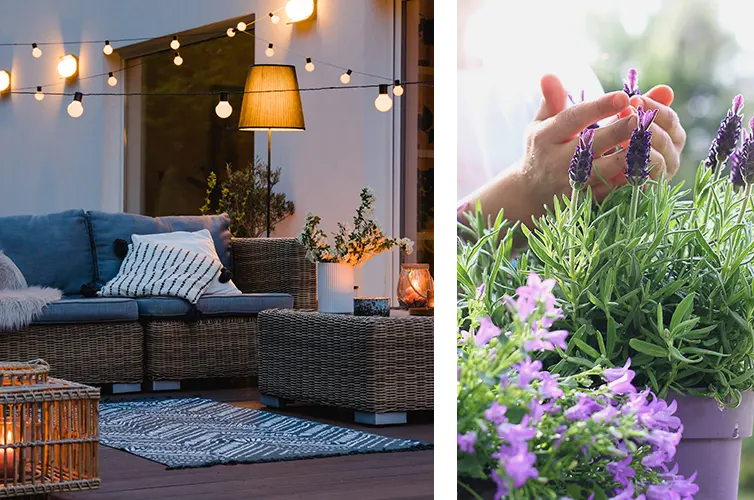
Cultivating harmony across living spaces
Blending indoor comfort with outdoor vitality establishes a sanctuary beyond walls. A unified design approach merges natural elements with architectural elegance for continuous year-round enjoyment.

Strategic landscaping
Proper terrain grading guarantees efficient drainage while creating the foundational circulation patterns throughout the garden.

Botanical selection guide
Opting for native species minimizes water usage and ensures a flourishing ecosystem suited to regional climates.

Outdoor furniture durability
Weather-proof materials such as teak and aluminum prolong the longevity of patio dining sets and seating.

Interior design alignment
Repeating garden palettes within interior rooms dissolves visual barriers separating natural landscapes from built structures.

Creating serene ambiance
Illumination and sound design convert basic patios into restorative sanctuaries ideal for nighttime unwinding.
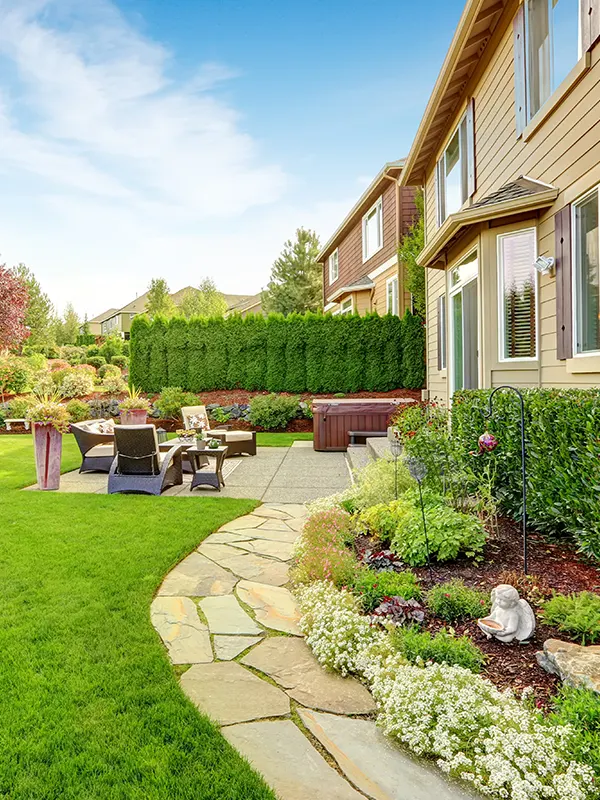
Mastering the landscape architecture
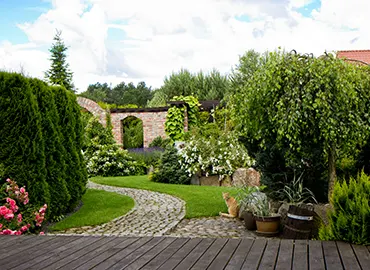
Creating distinct zones across a property demands careful equilibrium between hardscaping components like stone pathways and softscaping elements such as planting beds. This structural juxtaposition directs circulation and draws attention toward key focal areas.
Retaining walls prevent soil erosion on slopes while generating tiered elevations for planting, introducing vertical depth. Expert grading channels stormwater away from foundations, protecting structural integrity of the residence.
Curating a botanical palette
Effective planting schemes account for bloom cycles across diverse species to guarantee color progression throughout seasons. Positioning plants according to sunlight exposure and irrigation needs cultivates a thriving, minimal-care landscape for years.
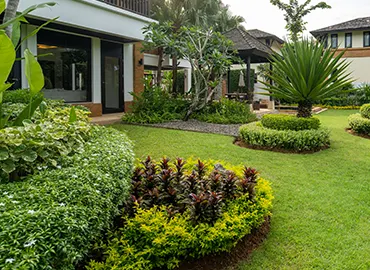
Perennial foliage anchors
Evergreens deliver permanent structure and foliage color throughout dormant winter periods.
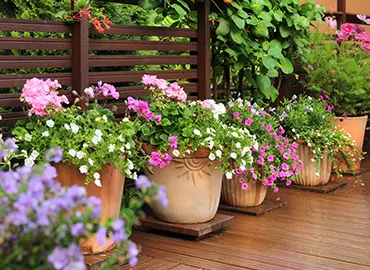
Seasonal annual blooms
Annual flowers introduce dynamic, shifting bursts of color signaling seasonal transitions.
Native shrub varieties
Indigenous shrubs promote biodiversity while demanding substantially reduced irrigation and fertilization.
Accenting with garden decor
Incorporating decorative pieces such as ceramic pottery or sculptures generates focal points in underutilized corners. Strategic placement of water features introduces movement and sound, masking noise from surrounding urban settings.
Reflecting nature in interiors
Incorporating outdoor elements indoors requires natural materials such as rattan, linen, and raw wood throughout living spaces. Expansive windows with minimal treatments amplify natural light, reinforcing visual continuity with garden landscapes.
Wooden furniture care
Teak and cedar naturally resist decay but need yearly oiling to preserve their deep golden tone.
- Regular sanding removes imperfections
- Protective sealants block moisture
- Winter storage prevents warping
- Gentle cleaning preserves finish
Metal alloy benefits
Aluminum and wrought iron deliver exceptional durability and endure strong winds while maintaining aesthetic appeal.
- Powder coating prevents rust
- Lightweight aluminum
- Heavy iron anchors placement
- Minimal maintenance is required
Textile accessory comfort
Outdoor cushions employ solution-dyed acrylic textiles to prevent fading from UV exposure and shed water.
- UV resistance keeps colors
- Quick-drying foam fillers
- Removable covers ease washing
- Various textures add warmth
Enhancing wellness through ambiance
The sensory dimension of a residence reaches beyond visuals to encompass fragrance and acoustics, supporting mental renewal. Positioning aromatic herbs like lavender near seating zones stimulates olfactory perception, while gentle, ambient illumination prolongs outdoor usability deep into evening hours.
Applying biophilic design principles generates environments that lower stress and enhance cognitive performance. A fluid transition between indoor living zones and outdoor sanctuaries fosters a lifestyle focused on relaxation and mindfulness.